Expert Views with Scott Finsten | Australian | Harbour Master, Ocean Marina Jomtien | Certified Marina Manager (CMM)
A life drawn back to the water
Scott Finsten's connection with boating began long before it became his profession. His father built the family boat in their backyard when Scott was three, and many of his school holidays were spent on the water. Even so, his early working life followed several different paths, including training as a chef, working in the motor vehicle and 4x4 accessory industries, and becoming a service advisor at a General Motors dealership in Sydney.
The decisive turn came unexpectedly. After the dealership was sold, Scott moved aboard his own boat while considering what to do next. The boat was berthed at a marina, and he was approached to manage the marina, its shipwright's workshop and slipway. That opportunity became the beginning of a career that would take him through d'Albora Marinas, a period captaining a motor yacht during the Sydney Olympic
Games, and eight years at the Cruising Yacht Club of Australia, home of the Rolex Sydney Hobart Yacht Race.
In 2010, Scott moved to Thailand to manage Ocean Marina Yacht Club. The move completed a circle: boating had shaped his childhood, marinas had become his profession, and the water remained the constant throughout his life.
"We don't need to create the cruising grounds. We need to open people's eyes to what is already on our doorstep."
A gateway waiting to be recognised
Scott believes Thailand's biggest untapped marine opportunity is the Gulf of Thailand, with Pattaya ideally placed as its gateway. Most people know Pattaya as a land-based tourism destination. Offshore, however, another Pattaya emerges: islands, clear waters, secluded anchorages and excellent wreck-diving sites that remain unfamiliar even to many residents.
The opportunity extends far beyond the immediate coastline. To the east are the Koh Chang and Koh Kood archipelagos, close to Cambodia and surrounded by dozens of islands. To the south are lesser-known destinations stretching from Prachuap Khiri Khan through Chumphon and towards Surat Thani, alongside the better-known islands of Samui, Phangan and Tao.
Rather than promoting a few isolated boating destinations, Scott sees the possibility of a genuine cruising network. Pattaya could serve as the starting point for exploring the eastern Gulf and, for more adventurous cruisers, travelling south into the wider Southeast Asian region. The destinations already exist. What is still needed is stronger infrastructure, better international awareness and a clearer sense of connection between them.
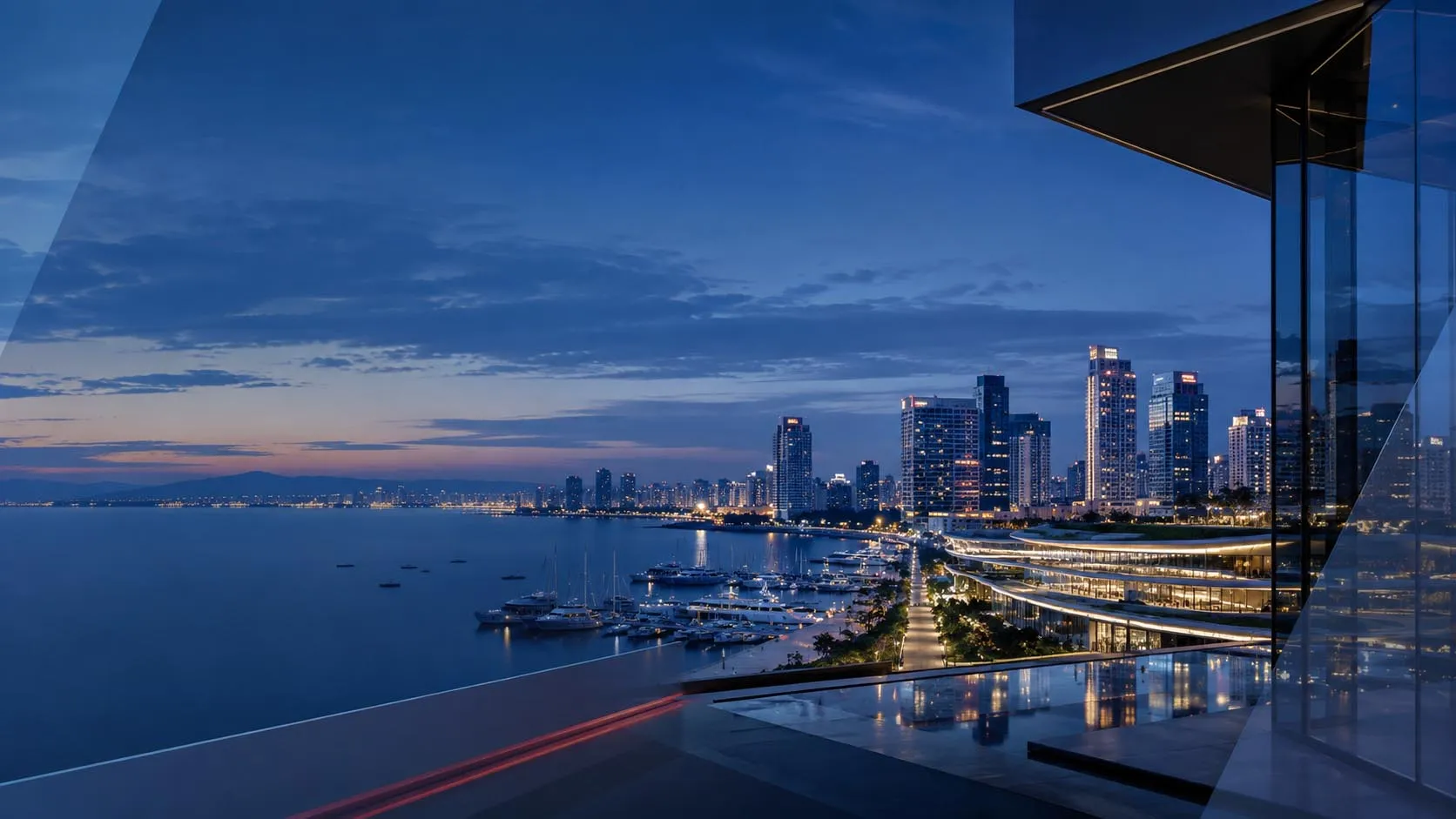
A marina is much more than a place to park a boat
Scott's experience at Ocean Marina has reinforced a principle that has guided his career: pontoons, fuel, a capable boatyard and good restaurants are important, but facilities alone do not create a destination. A successful marina is built around service, trust, activity and community.
Boat owners need people who understand both boating and their practical needs. That responsibility extends across the marina team, boatyard, contractors and marine businesses. Good service builds confidence, and confidence is what brings people back. Events are equally important. Regattas, fishing competitions, boat shows, cruising activities, restaurants and social occasions create atmosphere and give people reasons to visit beyond checking on their vessels. They also introduce non-boaters to the marine lifestyle, helping the wider community grow.
Ocean Marina should therefore not be viewed separately from Pattaya. It can be part of the destination itself: a base from which visitors enjoy the region on land, experience the water, and explore the islands and wider Gulf. In Scott's words, facilities bring boats to a marina, but people, service and experiences turn it into a community.
Making Thailand easier for superyachts
Thailand has already taken positive steps to attract international yachts and superyachts. Foreign vessels can remain under temporary import arrangements for extended periods, and a framework exists for qualifying foreign superyachts to charter legally in Thai waters. Scott argues, however, that some supporting regulations have not yet caught up with that ambition.
His clearest example is professional superyacht crew. A yacht may be encouraged to remain in Thailand for an extended period, while its foreign crew may receive only a comparatively short stay. Requiring professional crew to leave the country repeatedly simply to renew their permission is neither practical nor a sustainable foundation for a marine hub.
Scott proposes a dedicated Superyacht Crew Visa, or an equivalent immigration arrangement, recognising professional crew and allowing them to remain legally with their vessel for an appropriate period. The economic impact would extend well beyond marina berthing fees. Superyachts require fuel, provisions, maintenance, engineering, repairs, spare parts and specialist services. Owners, guests and crew also spend in hotels, restaurants, shops and other local businesses. Longer stays can generate substantial refit work, support Thai marine businesses and create skilled employment and training opportunities.
A ten-year vision for Pattaya
Ten years from now, Scott would like Pattaya to be recognised internationally not only as a tourism destination, but as the gateway to cruising the Gulf of Thailand and one of Southeast Asia's leading marine hubs. His vision is a city where yachts do not merely visit, but choose to base themselves because owners can rely on quality marinas, boatyards, skilled tradespeople, engineering, technical support and provisioning.
For superyachts, he wants Thailand to become one of Asia's easiest and most welcoming places to cruise, charter, maintain and refit a vessel. In this vision, the Gulf complements established destinations such as Phuket rather than competing with them.
Growth, however, must remain compatible with environmental responsibility. Clean water, healthy islands and reefs, uncrowded anchorages and the feeling of genuine discovery are part of what makes the Gulf special. Protecting those qualities while developing the marine economy is not an optional extra. It is essential to the destination's long-term appeal.
Pattaya has spent decades building its international reputation on land. Scott Finsten's view invites us to look in the other direction. The city's next chapter may be waiting just beyond the shoreline.
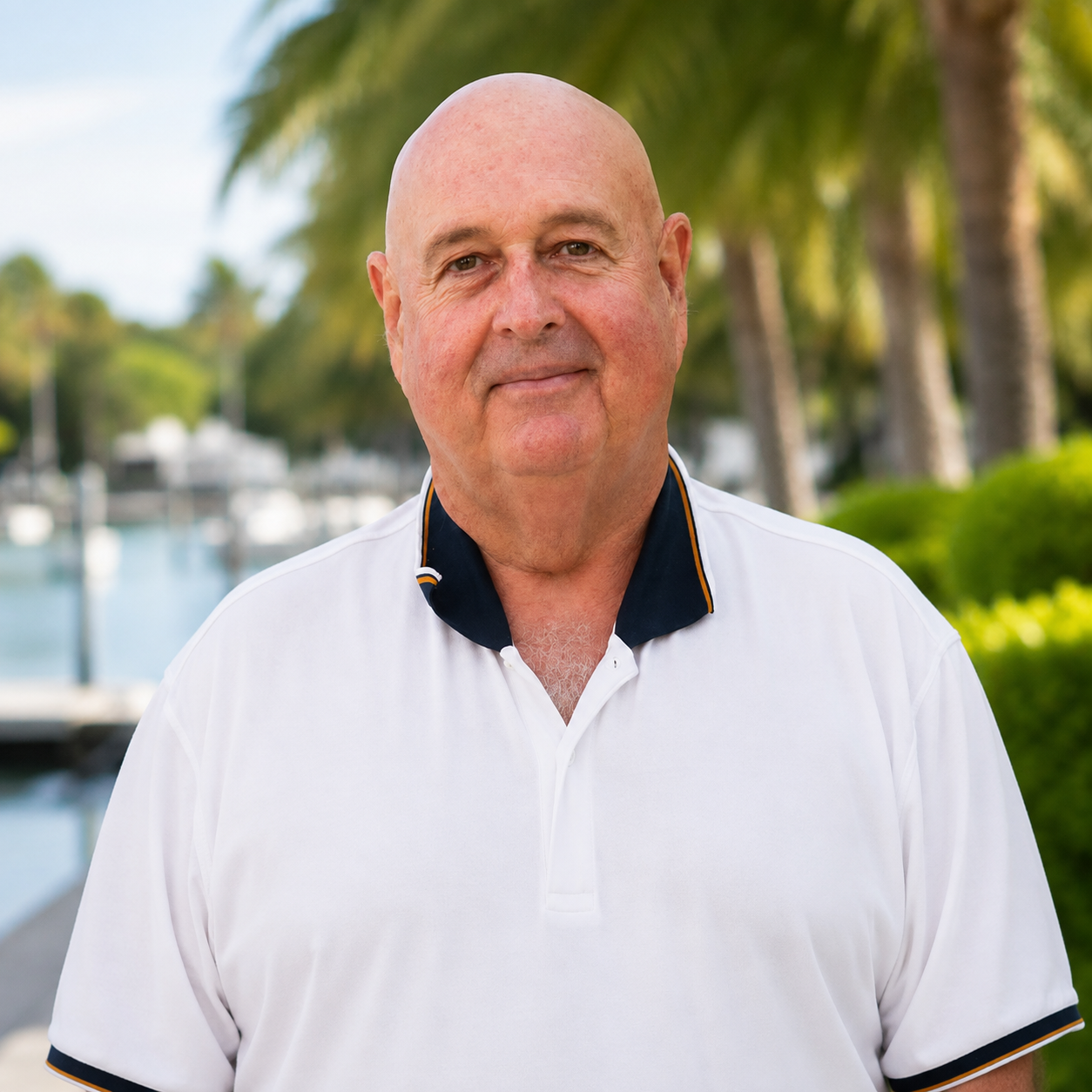
CONTRIBUTOR PROFILE
Scott Finsten
Australian | Harbour Master, Ocean Marina Jomtien | Certified Marina Manager (CMM)
Scott Finsten has worked in the marine industry since 1991. His career has included marina management in Australia, a period captaining a motor yacht during the Sydney Olympic Games, and eight years with the Cruising Yacht Club of Australia. He moved to Thailand in 2010 to manage Ocean Marina Yacht Club, where he has overseen several phases of expansion, helped increase capacity from approximately 200 to 550 berths, supported dredging to accommodate superyachts, and expanded haul-out capability with a 75-ton Marine Travelift.
Expert Views is a Town & Country Property editorial series featuring first-hand perspectives from people who help shape Pattaya and Thailand.