
Latest Properties
Discover Our Newest Listings
Fresh Pattaya properties just added to our portfolio, ready for your viewing.
Премиум объявления
Отобранные дома в лучших районах Паттайи - готовы к покупке, аренде или инвестициям
Изучите нашу подборку элитной недвижимости в районах Джомтьен, Пратамнак, Восточная Паттайя и других популярных прибрежных районах.
Переезжаете ли вы, планируете выход на пенсию или инвестиции
Новые проекты
Изучите последние проекты
Discover upcoming projects and new construction from top developers.
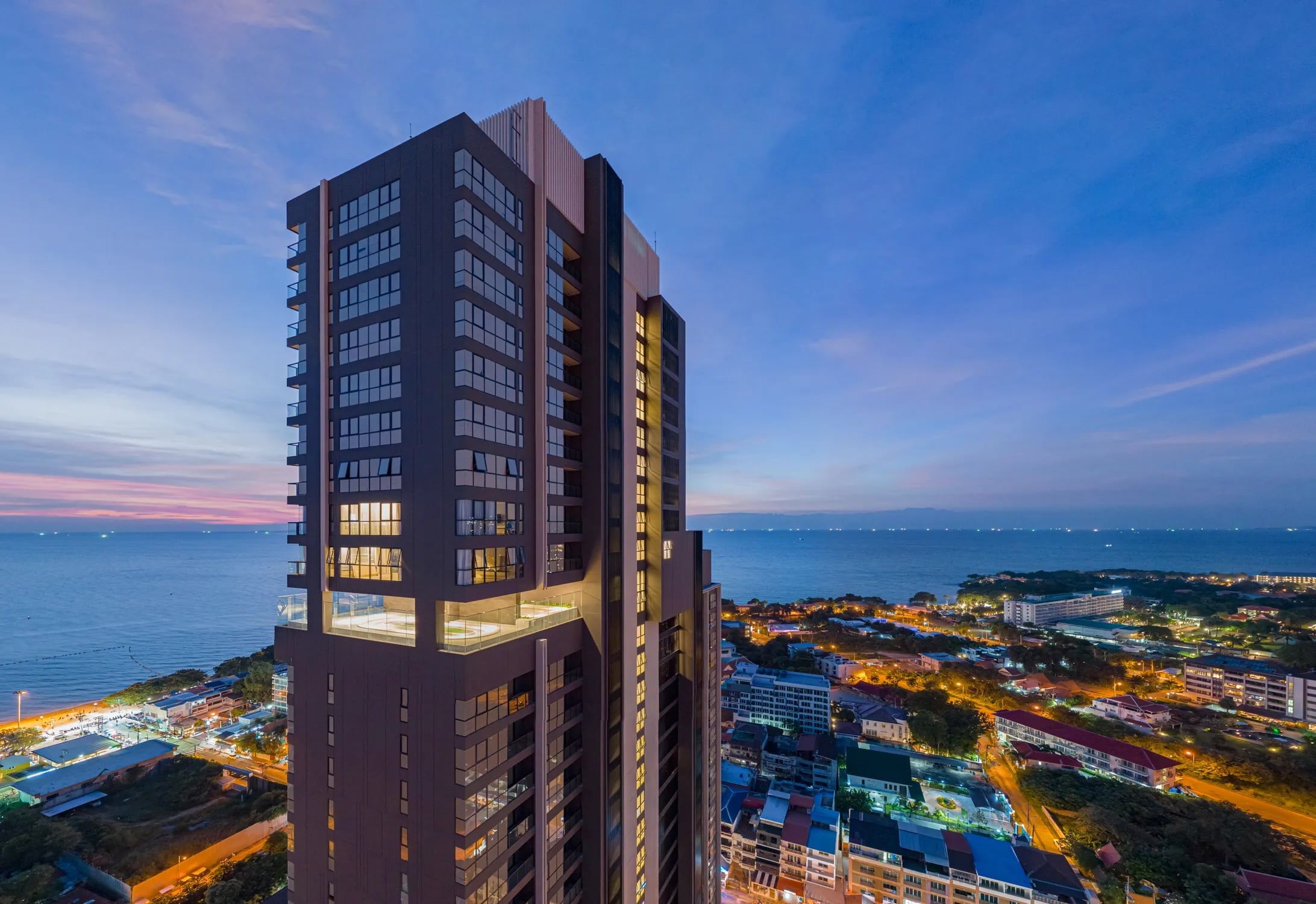





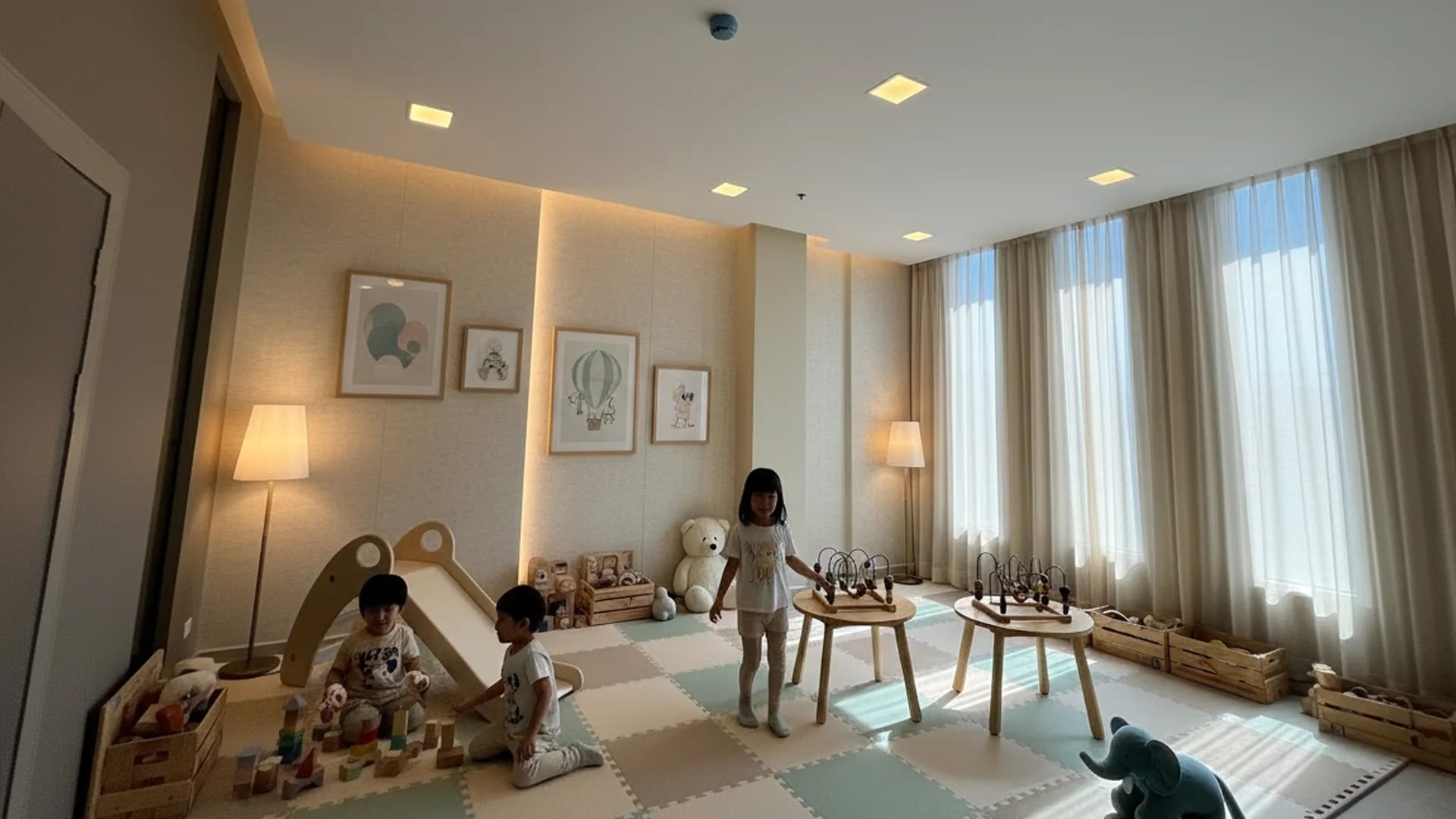

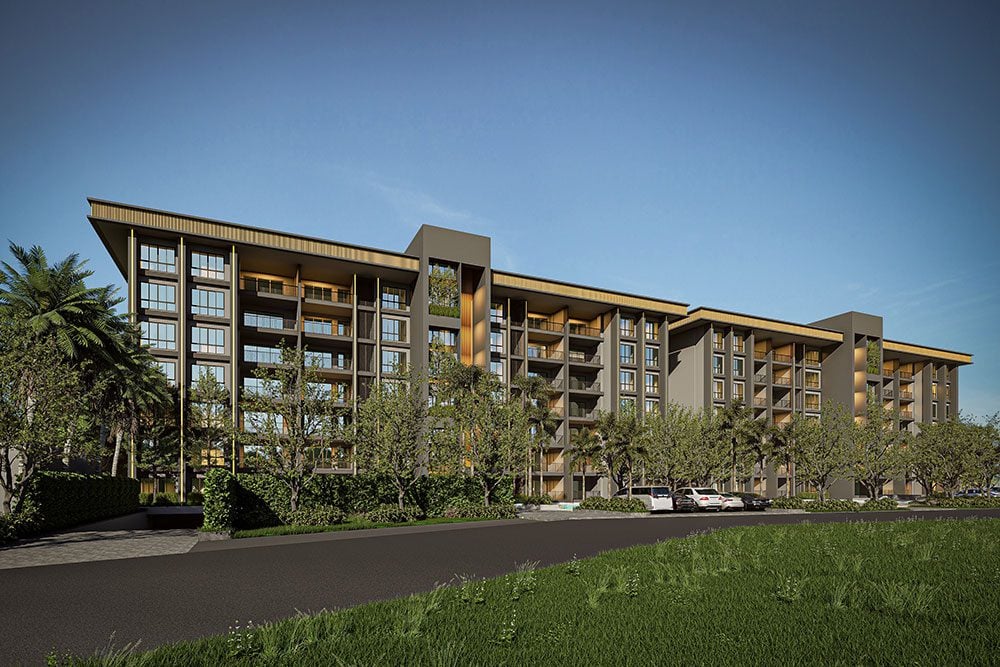
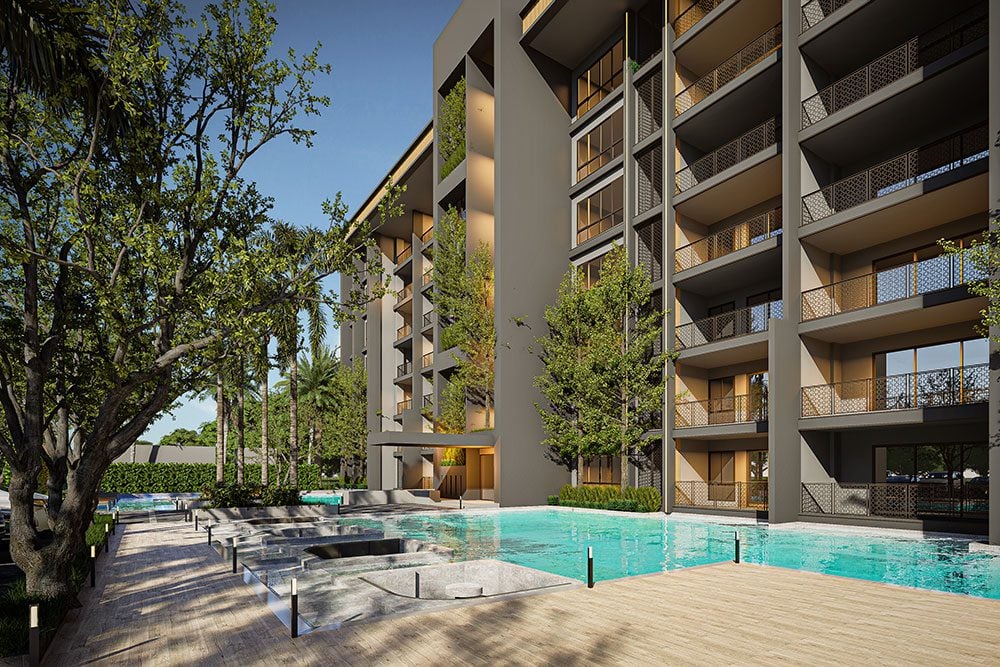
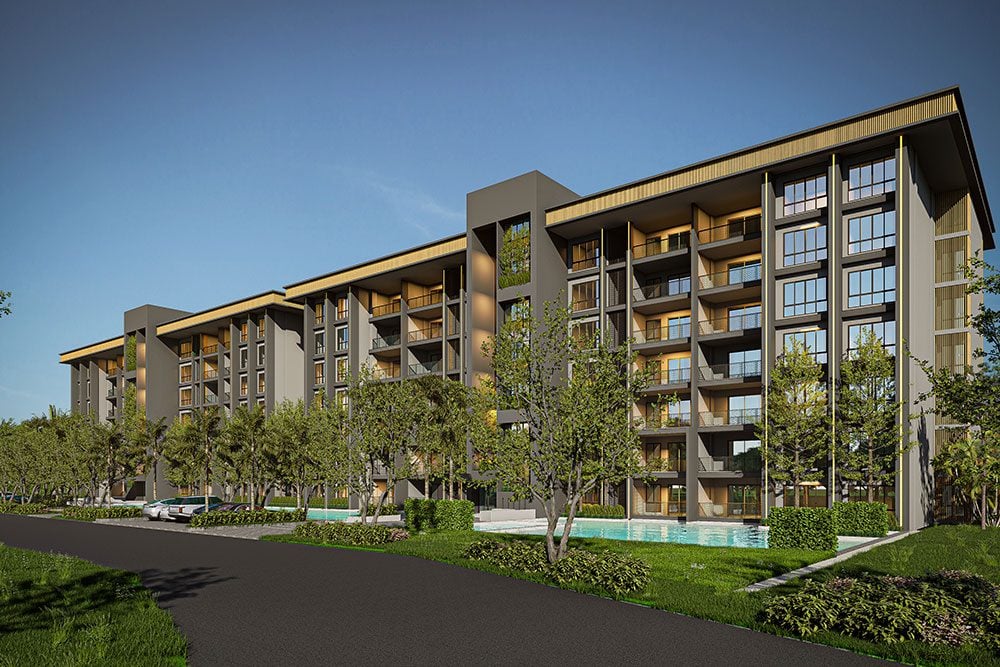
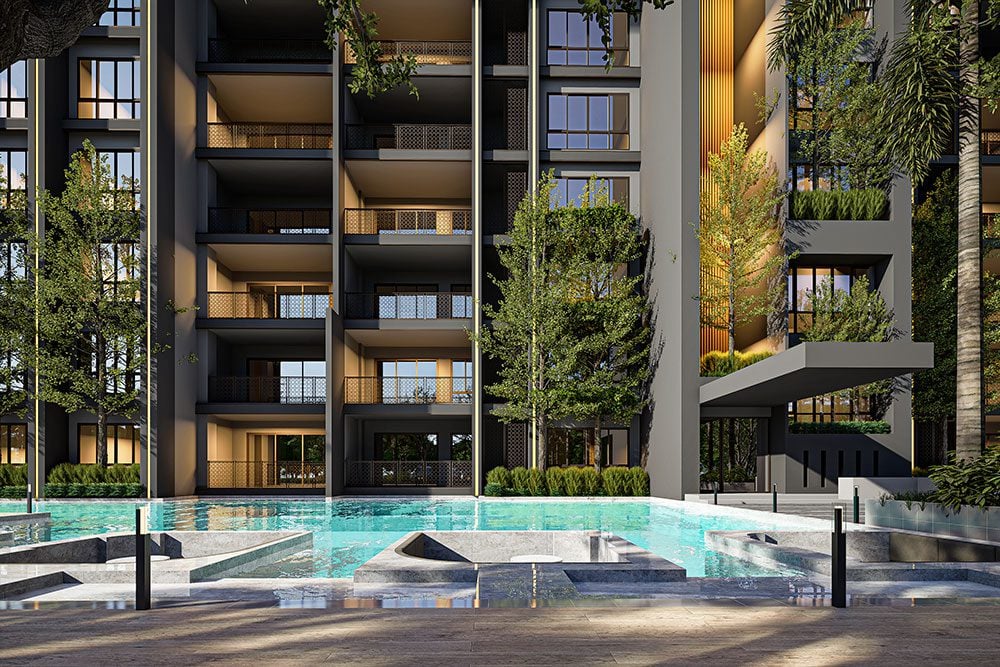
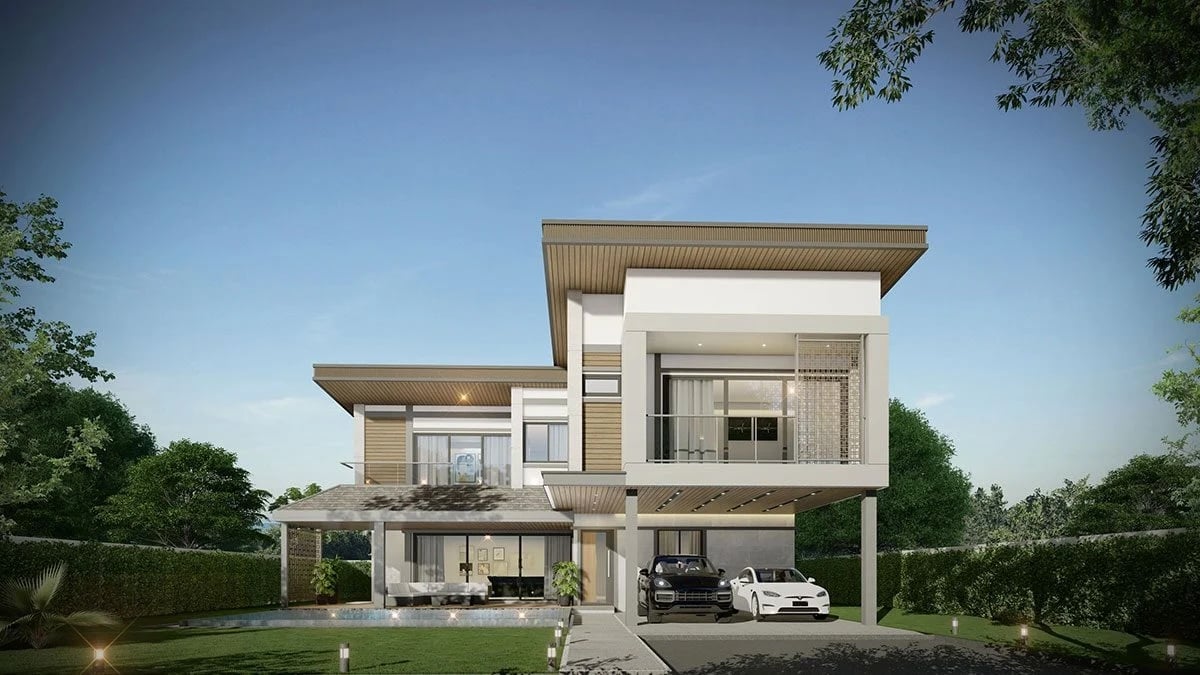










Городская и загородная недвижимость
Премиум агентство недвижимости Паттайи с 2003 года
На протяжении более двух десятилетий компания Town & Country Property с гордостью заработала репутацию одного из самых надежных и долгосрочных агентств недвижимости Паттайи. На ярком Восточном побережье Таиланда мы приносим богатый опыт и глубокие местные знания в каждую сделку с недвижимостью. Посетите нашу страницу "О нас", чтобы узнать больше о том, что делает Town & Country Property вашим надежным риэлтором по образу жизни в Паттайе.
Почему выбирают Town & Country
С двумя десятилетиями местного опыта, награждаемым сервисом и репутацией, основанной на доверии, мы делаем покупку, аренду или инвестиции в Паттайе легкими и выгодными.
Покупка, аренда, инвестиции или исследование – недвижимость в Паттайе без стресса
Беспечная и безстрессовая покупка недвижимости в Паттайе – от роскошных вилл до умных инвестиций, мы делаем каждый шаг личным и легким.
Наша Визия: Доверие, Прозрачность и Долгосрочные Отношения
Два десятилетия надежной работы – обеспечение результатов, основанных на честности, и долгосрочной ценности для инвесторов в недвижимость.
Награжденное превосходство и непревзойденный сервис в недвижимости Паттайи
Престижные награды и 5-звёздочные отзывы, самый надёжный агент по недвижимости на Восточном побережье.
Местный опыт и реальные результаты с Town & Country Property
Исследуйте высокодоходные объекты в Паттайе и Джомтьене – под руководством опытных экспертов, которым вы можете доверять.
Исследуйте Паттайю
Откройте для себя самые востребованные места в Паттайе и окрестностях.
Просмотреть все областиНовости недвижимости Паттайи от Town & Country Property
Ваш надежный источник информации о тенденциях на рынке недвижимости, рыночных аналитиках и обновлениях стиля жизни в Паттайе
Оставайтесь на шаг впереди с экспертным анализом, освещением районов и последними новостями о недвижимости, подготовленными самой опытной командой риелторов Паттайи.
Что говорят наши клиенты
В Town & Country мы стремимся предоставлять исключительные услуги в сфере недвижимости с непоколебимой преданностью качеству. Наша команда сочетает десятилетия местного опыта с передовыми технологиями, чтобы предоставить персонализированные решения, которые превосходят ожидания. Мы верим в построение долговременных отношений через честность, прозрачность и неустанное стремление к совершенству в каждой сделке.
Сколько времени обычно занимает процесс регистрации собственности?
There is no fixed timeframe because every property transaction is slightly different. For a straightforward resale, I normally allow around 30 days from signing the agreement to completion, although it can certainly be quicker when both parties are ready and all the paperwork is in place.
The actual ownership transfer at the Land Office is usually the final step and is rarely what causes the delay. Most of the work happens beforehand: due diligence, preparing documents, arranging payment and making sure everything required for the transfer is ready.
International money transfers have also become more regulated over the years. Banks increasingly apply compliance, source-of-funds and anti-money-laundering checks, and occasionally a perfectly normal overseas transfer can take longer than expected. Buyers should therefore avoid leaving the transfer of purchase funds until the very last moment.
For a resale condominium there is another important document: the debt-free certificate, often simply called the “free of debt letter”. This is issued through the condominium juristic person and confirms that the unit has no outstanding common-area fees. In most developments this is straightforward, but occasionally approval or processing takes longer than expected, particularly where documentation has to be handled through a central office.
Foreign freehold condominium purchases may also require the correct evidence relating to funds transferred into Thailand, so again, preparation matters.
My experience after many years of transactions is quite simple: the Land Office itself is usually not the problem. Good preparation is what makes a property transfer quick and painless.
Какие юридические защиты у меня есть как у иностранного покупателя недвижимости?
Foreign buyers in Thailand can enjoy strong legal protection, provided the property is purchased through the correct legal structure and proper due diligence is carried out before committing funds.
For condominiums, foreign freehold ownership is generally the most straightforward option when foreign quota is available. The ownership is registered directly in the buyer’s name at the Land Office, and the title deed records the legal owner together with any registered mortgages or other encumbrances.
For houses and land, the situation is different because foreigners generally cannot own land directly. Depending on the circumstances, leasehold, superficies or other registered rights may provide suitable protection. There may also be other ownership or investment structures available, but these should always be considered on their individual merits.
Thai property laws, regulations and accepted practices can also evolve over time. What may have been commonly used twenty years ago may not necessarily be the most suitable solution today, and new options may develop in the future.
This is why I always recommend taking guidance from an experienced professional property agent or broker, and where legal advice is required, from a qualified and experienced lawyer.
Before buying, make sure somebody checks the title, ownership structure, foreign quota where applicable, outstanding debts, mortgages, registered rights and any other issue that could affect the transfer or your future ownership.
My own rule is simple: understand exactly what you are buying, how you will own it and what rights you will have before you sign anything or transfer substantial money.
Могу ли я финансировать покупку недвижимости в Таиланде через ипотеку?
For most foreign buyers, the realistic answer is no, or at least not easily.
Thailand does not have the same readily available mortgage market for foreign property buyers that you may be familiar with in Europe, the UK or the United States. Most Thai banks’ normal residential mortgage products are aimed primarily at Thai nationals.
There are some exceptions, particularly for foreigners with permanent residence or certain long-term residency arrangements, but for the average overseas buyer coming to Thailand to purchase a property, obtaining a normal Thai bank mortgage is extremely difficult, even for a condominium.
There can sometimes be financing options outside Thailand. Some international banks offer overseas property lending, and buyers may occasionally find suitable arrangements through banks in places such as Singapore. Eligibility and terms depend very much on the individual buyer and the property.
There is another option which is sometimes overlooked.
A motivated property owner may occasionally be willing to offer special payment terms directly to the buyer. This is not necessarily limited to developers. A private seller may, for example, accept an agreed deposit followed by staged payments over perhaps three to five years, sometimes interest-free and sometimes with a modest interest charge.
This is certainly not a 20- or 30-year mortgage, but for the right buyer and seller it can be worth exploring.
Normally, the seller’s main security is that legal title remains with the seller until the agreed purchase price has been paid in full, although any such arrangement should be properly documented so both parties clearly understand their rights and obligations.
My advice is therefore simple: if you need finance, sort it out before committing to the purchase. Never assume that a Thai mortgage will somehow become available later.
And one final piece of advice which I probably give more often than anything else:
Don’t stretch your budget simply because you are dreaming about your lovely new life in Thailand.
Buying the property is only the beginning.
You still need to live.
Есть ли дополнительные расходы или налоги при покупке недвижимости в Таиланде?
Yes, and this is one area where I always recommend looking a little deeper than simply asking, “Who pays the transfer costs?”
In Pattaya you will still very often hear buyer and seller agree to “50/50 transfer costs.” That sounds simple, but it can mean different things to different people.
A more experienced buyer will normally separate the actual Land Office transfer fees from the personal taxes or tax liabilities of the seller. In my opinion, that distinction should be made clearly in the Sale and Purchase Agreement so everybody knows exactly who is paying what.
With resale houses and condominiums, everything is negotiable. Sometimes the transfer expenses are shared. Sometimes the seller agrees to pay all of them as part of the deal. In other transactions, the purchase price is negotiated on the basis that the buyer accepts a larger share of the costs.
When buying directly from a developer, the situation may be different again. Transfer fees may be capped, shared or partly absorbed by the developer, depending on the project and the promotion being offered at the time. There is therefore no single rule that applies to every transaction.
Commercial properties or properties genuinely held within an operating Thai company can sometimes be sold through a share transfer rather than a transfer of the underlying property title. The direct transaction costs may be considerably lower, and sellers often cover the share-transfer expenses.
But that does not mean you simply take over a company because it appears cheaper.
Before buying shares in any company, proper due diligence is essential. You are potentially taking over not only the property, but also the company’s history, accounts, liabilities, tax position, contracts and obligations. The company needs to be properly structured, active where appropriate and financially sound.
My advice is simple: never negotiate only the property price. Negotiate the total deal.
Before signing, ask for a clear breakdown of the purchase price, transfer fees, taxes and any other costs, and make sure the agreement states exactly who is responsible for each one.
A cheap transfer can become very expensive if you inherit somebody else’s problem.
Каков процесс передачи права собственности на имущество?
For a straightforward property purchase, the actual transfer at the Land Office is usually the easiest part. Most of the work should already have been completed before transfer day.
In many residential transactions, 70–100% of the practical due diligence and transfer preparation is handled by the property agent, simply because experienced agents deal with these transactions on a daily basis. Where specialist legal advice is required, a lawyer may of course also be involved.
A good agent will often visit the Land Office before the scheduled transfer date. This is not only about obtaining a queue number. Documents can be pre-checked with the Land Office staff so that missing paperwork, incorrect names, powers of attorney or other potential problems are discovered before buyer and seller arrive for the final transfer.
For a resale condominium, this will normally include checking the title deed, ownership, foreign quota where applicable, outstanding common-area fees and obtaining the required debt-free certificate from the condominium juristic person. For a foreign freehold purchase, the documentation relating to funds brought into Thailand also needs to be correct.
For houses and land, the due diligence becomes broader. The title itself needs to be checked carefully, together with legal access to the property, registered rights of way or servitudes, mortgages or other encumbrances, and any zoning or planning restrictions that could affect how the land may be used.
Commercial property can require considerably more work again. If you are buying an operating business or property-owning company, proper due diligence may include the company accounts and audits, tax position, liabilities, licenses and permits, contracts, existing revenue streams and whether the business is genuinely viable as an ongoing concern. Depending on the transaction, a business plan or feasibility study may also be appropriate.
Once everything has been checked and agreed, buyer and seller, or their authorized representatives, attend the relevant Land Office. The officials verify the documents, calculate the applicable fees and taxes, and register the transfer of ownership.
My advice is simple: transfer day should contain very few surprises.
If the agent, buyer, seller and professional advisers have done their homework properly beforehand, the final Land Office visit should almost feel routine.
That is exactly how you want it.
Какие виды недвижимости доступны для иностранных покупателей?
Quite a lot, actually. The important question is not only what you can buy, but also how you can legally hold it.
The most straightforward option is a condominium in foreign freehold ownership. A qualifying foreign buyer can own the unit directly in their own name, provided the building still has foreign quota available.
Foreign buyers can also consider houses, villas, townhouses, land and commercial property, but these require a different ownership or occupancy structure because foreigners generally cannot own land directly. Depending on the individual situation, this may involve a properly registered lease, other registered rights, ownership through a genuine operating company, or a structure connected to a Thai spouse or family. Each option has different legal, practical and tax consequences, so there is no one-size-fits-all solution.
Commercial property can be structured differently again. A buyer may be acquiring the real estate itself, shares in a company, or an ongoing business together with its licences, contracts, assets and revenue stream. That is where proper due diligence becomes particularly important.
I would also avoid the old habit of assuming that because a certain ownership structure was commonly used in Pattaya twenty years ago, it must still be the best solution today. Laws, enforcement, banking rules and accepted practices change.
And one final point: don’t buy a condominium simply because you believe it is the only practical option available to a foreign buyer.
A condo may be absolutely perfect for some people. But if your real dream is space, entertaining friends, proper storage for luggage, golf bags and bicycles, a garden, perhaps a dog, and afternoons around your own private swimming pool, then forcing yourself into a small condominium simply because the ownership looks easier can be a mistake.
I have seen buyers make exactly that compromise, only to realise a short time later that they bought the wrong lifestyle.
So my advice is simple: choose the way you want to live first. Then work out the safest and most practical legal way to own or occupy the property that gives you that lifestyle.
Don’t let the ownership structure choose the property for you. Let the right property determine which legal structure makes sense.