Shaun Venter spent roughly two decades in professional kitchens before moving into broader hospitality and venue leadership. His career has taken him through South Africa, the United Kingdom, Dubai and Thailand, and from culinary roles in Pattaya to restaurant, rooftop and entertainment-led concepts in Bangkok. That journey changed the way he looks at hospitality: the food still matters, but so do the sound, the service, the people, the atmosphere and the person willing to take ownership when something goes wrong.
"Be the one who steps in when it is hardest, not just when it is easy"
1. Your career has taken you from the kitchen to leading complete hospitality and entertainment venues. What changed most in the way you think when your responsibility expanded from the food on the plate to the entire guest experience?
Firstly, it was hard to let go of the kitchen because I had spent about 20 years in there. But I was given an opportunity of a lifetime to work on both sides of the pass and, beyond that, to help create memorable experiences and entertainment venues. I had to step up.
The discipline of the kitchen helped enormously. It teaches attention to detail, timekeeping and how to function under pressure. In the beginning I also felt I had a lot to prove in my new role, so there was more doing and less delegating. That was fine by me because it also meant I could mingle with guests and stay close to the operation. I enjoy that part of hospitality, and I believe I am good at it. The rest is history.
2. In venues such as Mantra, Escape Bangkok, Flamenco Bangkok and Tribe Sky Beach Club, food is only one part of the experience. What makes guests remember a venue and genuinely want to return?
For me, several things have to work together. The quality of the sound matters, and so does control of the volume. Music and entertainment need to be curated, not simply switched on. Drinks have to make sense in price, presentation and service. The food needs to taste good and offer the right selection for the concept.
And then there is something less tangible: the presence of an owner. That does not necessarily mean the actual owner. It can be a manager who behaves like one, takes responsibility and has a strong work ethic. Guests notice when somebody truly owns the experience.
3. Hospitality businesses must be exciting, but they must also be consistent and financially sustainable. Where do new restaurant, bar and beach-club concepts most often go wrong?
A common mistake is over-investing at the start. Another is opening without properly planning the marketing campaigns that are supposed to keep the venue visible after the launch excitement has passed.
People can also damage a concept. Keeping toxic staff for too long, failing to train the team properly or not investing enough in people will eventually show in the guest experience.
And one of the biggest dangers is letting ego run the business. A concept still has to work commercially. Creativity matters, but it has to sit alongside discipline.
4. Having worked in both Pattaya and Bangkok, how do you see Pattaya's dining and lifestyle scene today? What should the city improve if it wants to attract more quality-focused residents and international visitors?
I would focus on consistency over novelty. Too many concepts chase the next trend instead of executing one thing exceptionally well.
Pattaya should also raise the base level of service and product across the board, not only at the top end. Venues need a clear idea of who the guest actually is. If you try to appeal to everyone, the experience often becomes blurred.
There is also room for more cross-pollination between hospitality, entertainment and lifestyle. The strongest venues can become destinations rather than single transactions. And I would like to see more operators who understand international standards but still design the experience for the local guest, rather than simply importing an idea and expecting the market to adapt.
5. You have worked across South Africa, the United Kingdom, Dubai and Thailand. What has this taught you about leading multicultural teams, developing young talent and maintaining standards under pressure? What advice would you give the next generation entering hospitality?
For me, it comes back to building people and building standards.
Lead by example under pressure, not by giving instructions from a distance. Multicultural teams need clarity because ambiguity breaks standards. And develop people before you need them. Once the pressure hits, it is already too late to start building capability.
My advice to the next generation is simple: be the one who steps in when it is hardest, not just when it is easy.
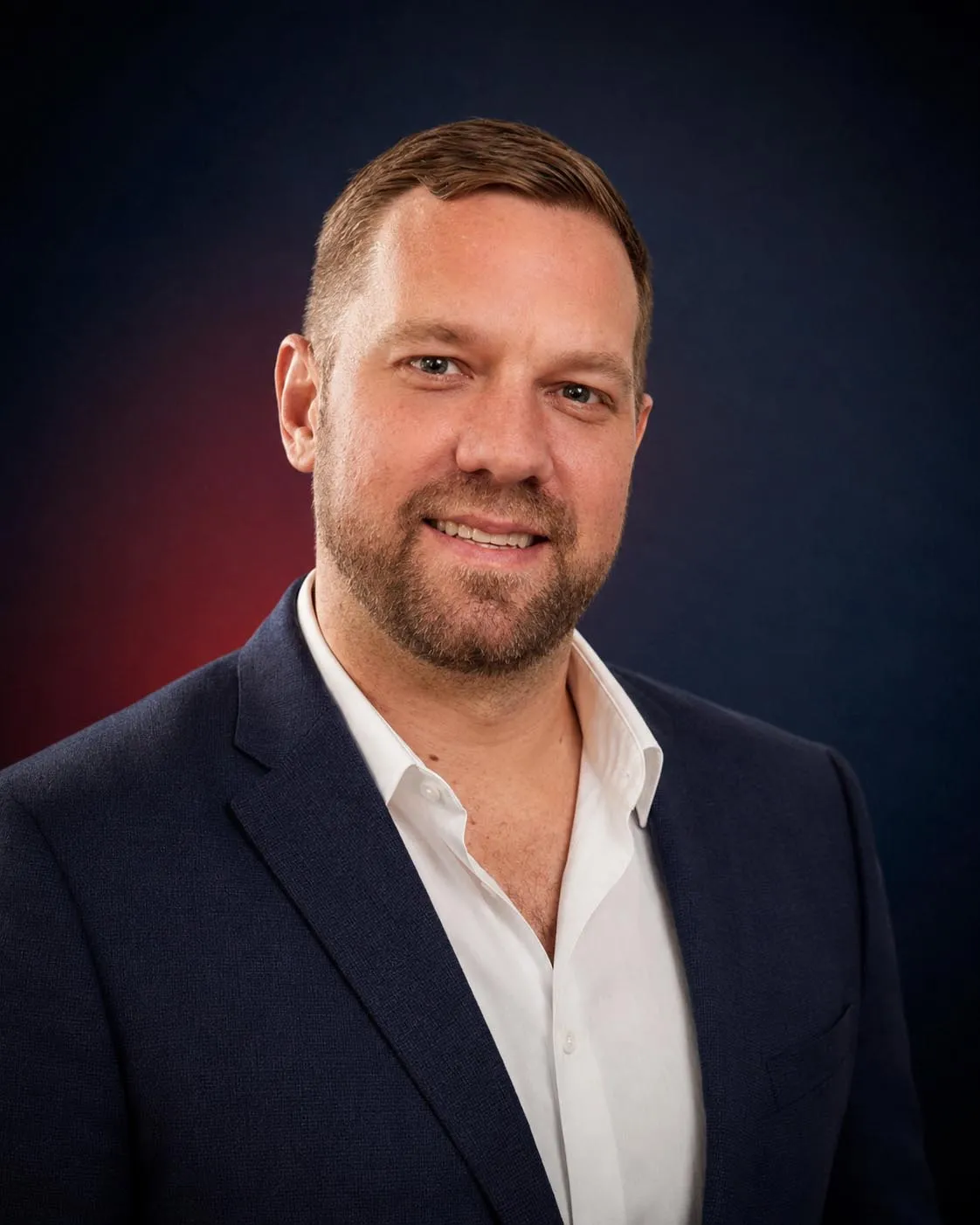
CONTRIBUTOR PROFILE
Shaun Venter
Hospitality & Entertainment Leader
Shaun Venter is a South African hospitality professional with more than two decades of experience across kitchens, hotels, restaurants, bars, rooftop venues and entertainment-led concepts. His career has taken him through South Africa, the United Kingdom, the UAE and Thailand. In Pattaya, his culinary career included Hilton Pattaya and Mantra at Amari Pattaya. He later moved into broader venue and general-management leadership, with experience including Escape Bangkok, Flamenco Bangkok and Tribe Sky Beach Club. His approach combines kitchen discipline, operational visibility, strong team standards and a belief that memorable hospitality depends on human connection as much as product.
This article forms part of Expert Views, a Town & Country Property editorial series featuring first-hand perspectives from respected business leaders, developers and professionals connected to Thailand and its property market.
Approved for publication by Shaun Venter | 1 September 2026.